

SMART Goals and Aims
The setting of realistic and achievable goals/aims by a participant is essential in allowing them to undertake a purposeful and challenging activity.
A weak goal may simply describe an activity without adding sufficient detail either to measure success or set a target. For example, 'playing the piano' is a goal that just explains the activity; a smarter goal would be 'playing the piano to a certain standard and performing at the school's musical concert'.
Are your targets S.M.A.R.T.?
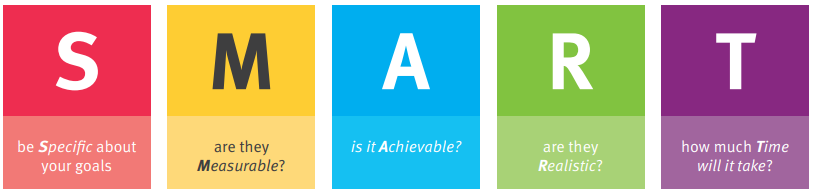
Are your logs personal and do they show progress towards your target?

- What did you plan to do?
- What did you actually do?
- What went well? How can you improve next week?
Goals should be periodically reviewed in discussion between the participant, Award Leader and Assessor. It is important that a realistic goal is established and remains so. The goal should also motivate a participant to finish their activity rather than cause them to give up because the task is too difficult.